
These are the writing resources you’ll find on Catherine’s bookshelf.
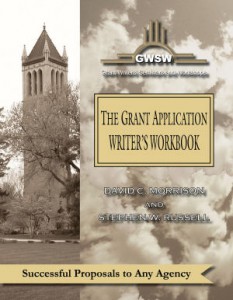
Grant Writer’s Handbook
Grant Writers’ Seminars & Workshops releases annual updates to their handbook, a staple for anyone applying for funding from the National Institute of Health. This was the first book Catherine got when she transitioned from journalism to scientific editing, and remains the most useful book in her library.

Writing Science in Plain English
Anne E. Greene
With helpful exercises in the back and examples throughout, Ms. Greene presents a clear argument for writing well. More importantly, she gives tons of easy-to-implement tips and tricks to help you present your own science equally as well.
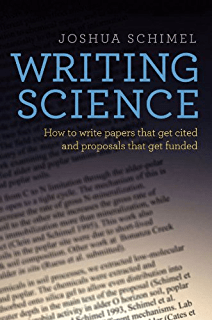
Writing Science: How to Write Papers That Get Cited and Proposals That Get Funded
Joshua Schimel
With actionable advice at every level — from overall structure to words in each sentence — this book builds on lessons from multiple fields to teach scientists how to write effectively, whether they are aiming to have papers published or grants funded.
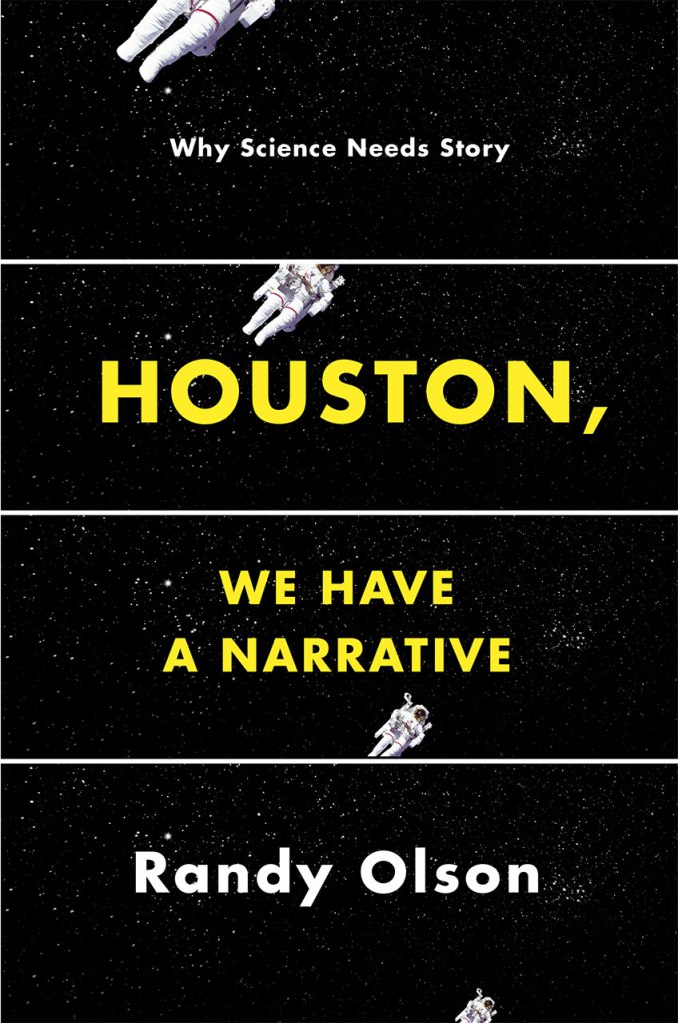
Houston, We Have a Narrative: Why Science Needs Story
Randy Olson, Ph.D.
Dr. Randy Olson, a marine biologist turned film producer, makes the most compelling argument for applying narrative to science and outlines a couple of simple methods to coax a story out of your science.
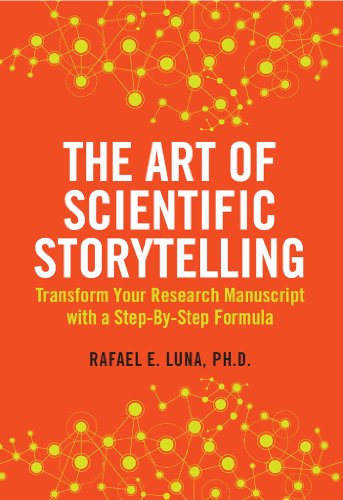
The Art of Scientific Storytelling: Transform your Research Manuscript with a Step-by-Step Formula
Rafael E. Luna, Ph.D.
One Ph.D. explains how to use principals from creative writing to turn thousands of hours in the lab into a compelling scientific story for a high-impact journal.
 Gillespie Writing